
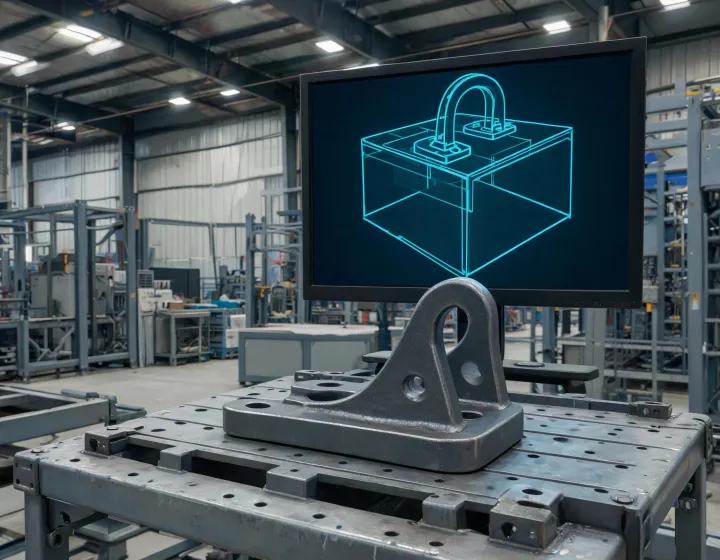
DfMA helps a procurement team compare the same lifting, envelope and MEP interfaces across bids. Ask for a coordinated model excerpt and its drawing references before deciding which factory fit-out assumptions to carry into a quote.
An illustrative coordination brief might use a wind speed of 45 m/s and a ground snow load of 1.5 kN/m². Give the bidder the source load schedule and request its actual design inputs before treating either value as applicable.
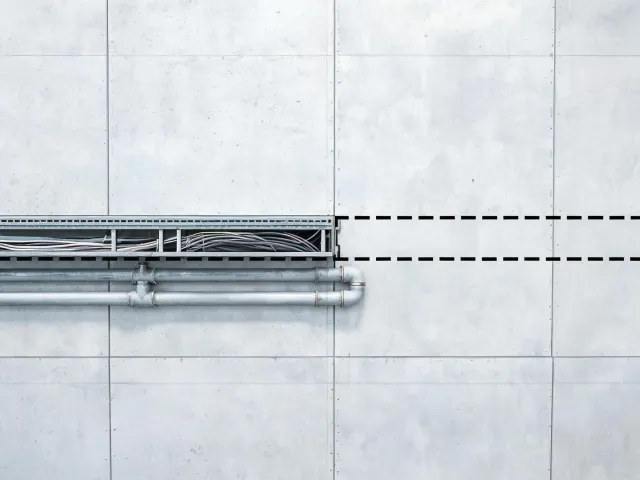
For a prefitted wet module, have the supplier mark every drain and coupling with a reference level. Compare that drawing with a sample inspection photo so the site team can see which items remain accessible at the marriage line.
A relocation plan should preserve module marks and lifting records. A new site changes the foundation interface, route clearances and design basis, so route the earlier documents for a fresh review.
For cold-formed steel the quote should name grade, thickness and galvanized coating mass. Request material certificates tied to delivery marks. Coating checks on the parent steel do not cover exposed cuts or field repairs.
These four decisions change the scope a supplier is pricing. Record the proposed materials and who will verify the test or inspection evidence before accepting a change. For the life-cycle review, compare shipment volume, field rework and access for future repair across the same occupancy and delivery route.
Galvanized light-gauge steel and painted steel can suit different fabrication and exposure conditions. Compare coating mass in g/m² or dry-film thickness in µm against the stated system, including maintenance access and repair instructions.
A signed drawing pack is straightforward for shops using controlled PDFs. A shared model lets reviewers measure clearance across trades if the object revision matches the release drawings. Record which file governs inspection and include the revision on every measurement sheet.
Factory completion reduces some field tasks. Leaving a joint open preserves access for fire-stopping and torque inspection. Agree the close-up point, take dated photographs and ask the inspector to compare the installed assembly with the referenced test specimen.
Panelized kits can improve 40HQ utilization and need local assembly. Completed modules reduce interior fit-out on arrival and can exceed a route envelope. Compare loaded dimensions, gross mass, site crew assumptions and the shipment plan for each bidder.
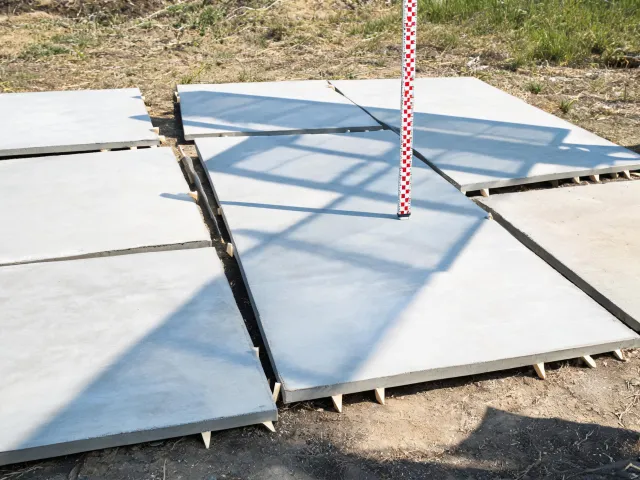
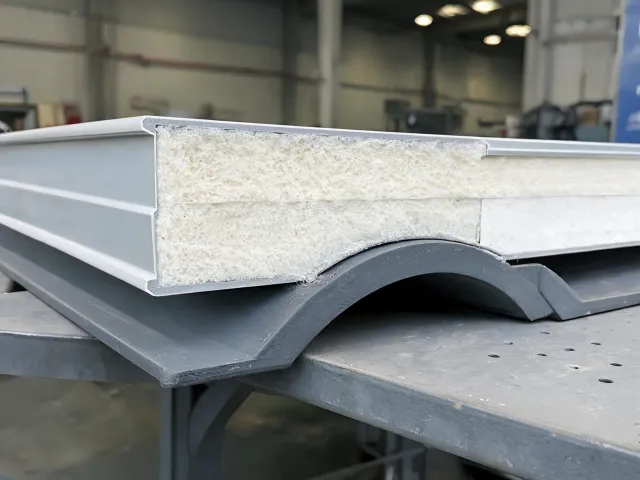
Use these illustrated checkpoints to set inspection tasks. For a diagonal check, record both diagonal measurements in mm, the drawing tolerance, fixture or support conditions and the module serial number. Repeat at the same reference points on subsequent units to compare drift.
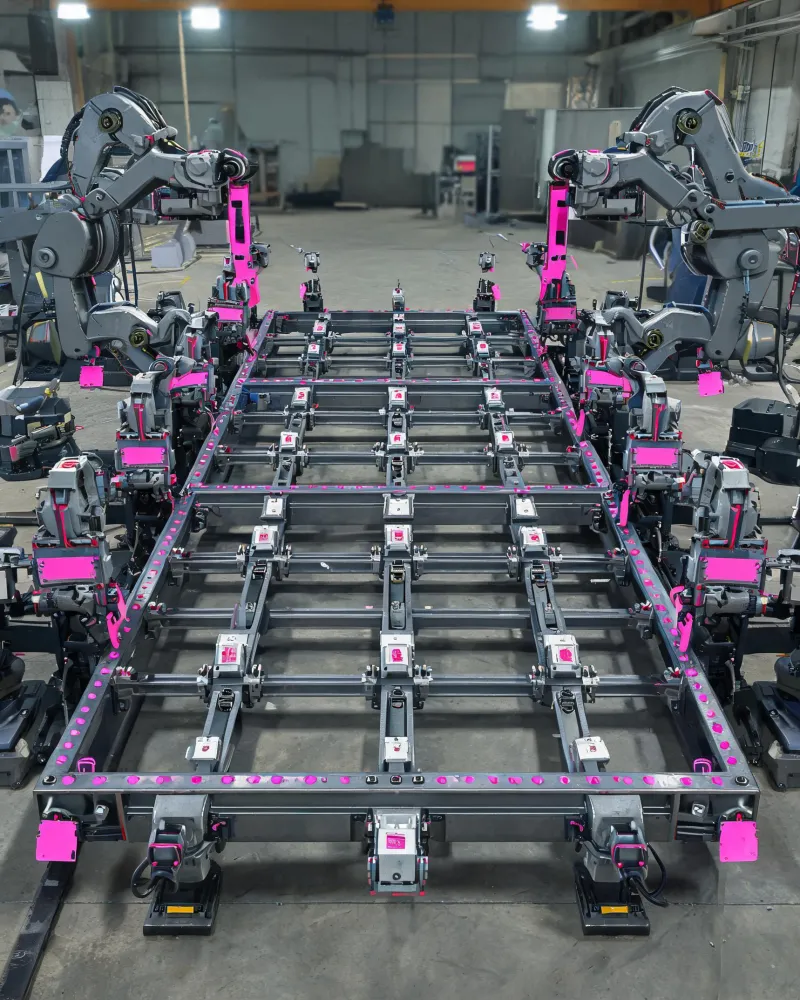
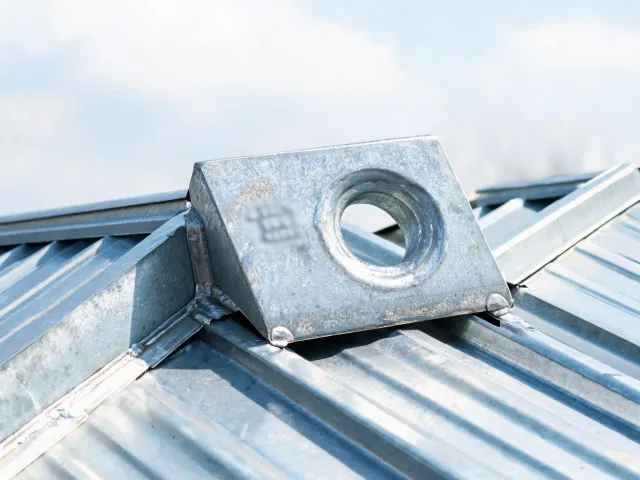
Send the current model revision, occupancy and proposed service scope. We can request comparable supplier answers on the chassis, lifting interfaces and acceptance records. Local professionals review the design basis and compliance for the destination.